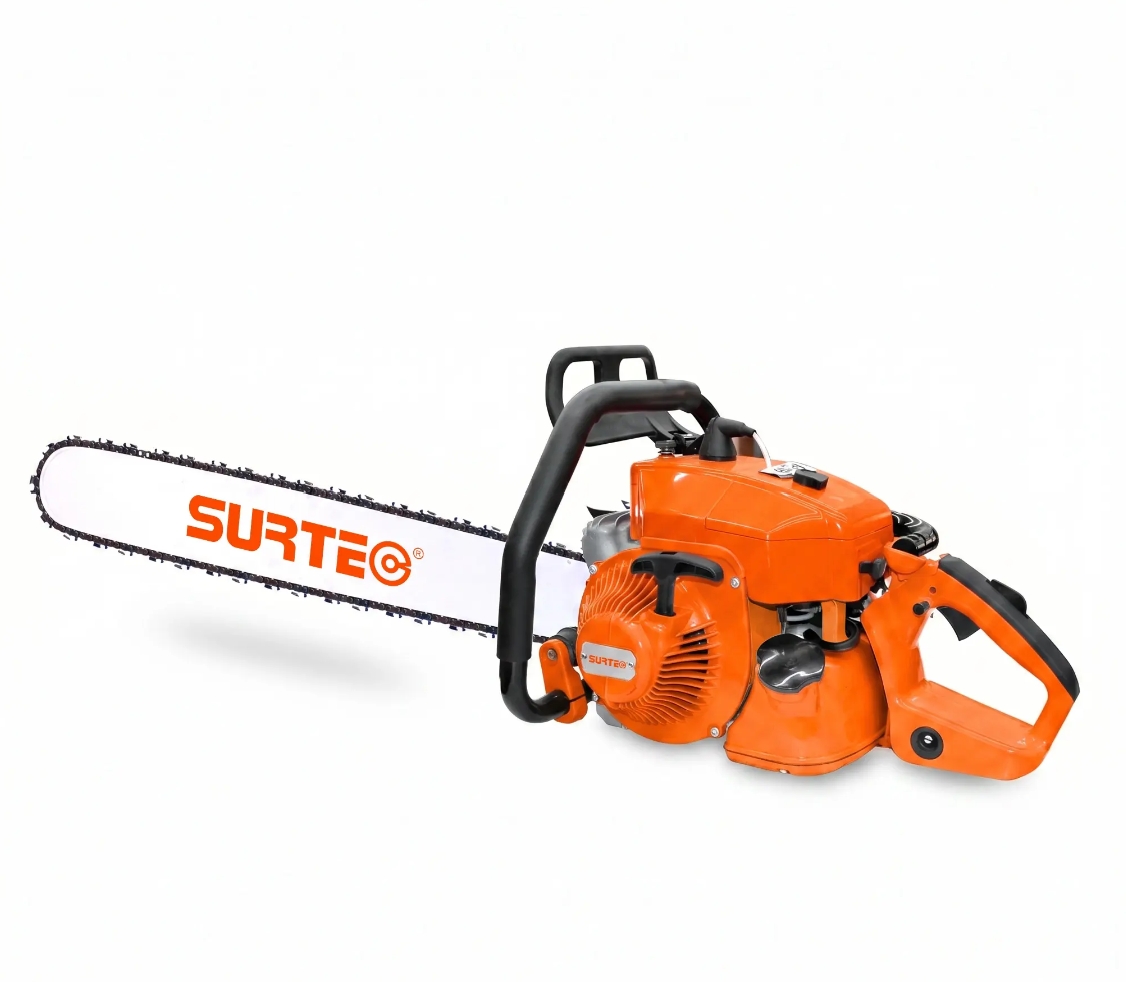
canoe outboard motor
A canoe outboard motor is a compact propulsion system designed to move a canoe across lakes, rivers, and sheltered coastal water. It combines a small engine, propeller, mounting bracket, steering handle, and control system in one practical unit. Unlike a paddle, a canoe outboard motor provides steady thrust for longer trips, loaded boats, fishing, camping, and routine transport. Most models use petrol or electric power, while some newer designs support battery operation for quieter travel. A canoe outboard motor typically includes adjustable speed control, forward and reverse movement, and a tiller handle that lets the operator steer from the rear of the canoe. Many units use a short shaft that suits shallow canoe hulls and helps keep the propeller correctly positioned in the water. A canoe outboard motor may also offer variable-speed control, emergency stop protection, tilt adjustment, and overload safeguards. These features improve control and support safer operation in changing conditions. Electric versions add simple push-button starting, low vibration, and reduced local emissions. Petrol models generally provide longer running time when carrying spare fuel. Choosing a canoe outboard motor depends on canoe size, weight capacity, water conditions, desired range, and local rules. A lightweight canoe outboard motor suits solo users and compact boats, while a stronger model works better for two people, equipment, or stronger current. In every case, the canoe outboard motor turns a manually powered canoe into a more efficient and versatile small craft.
 EN