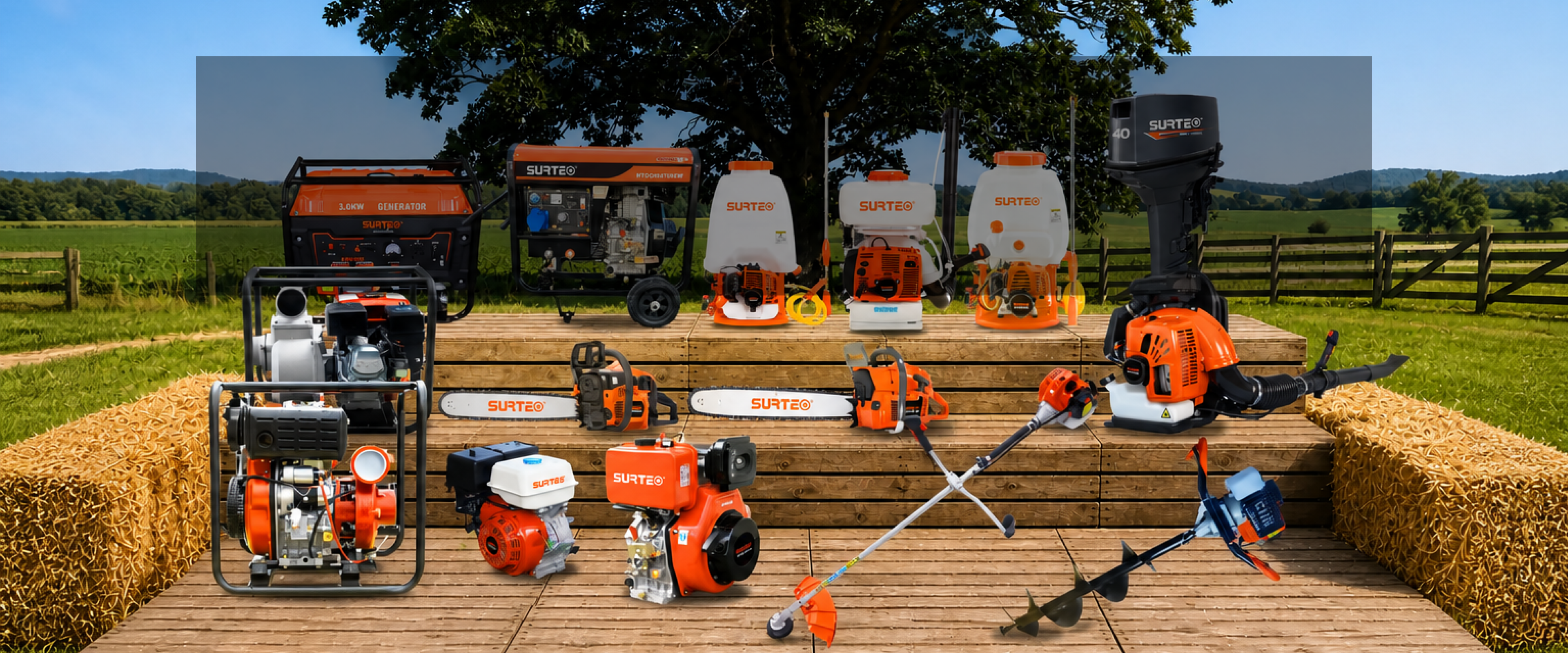
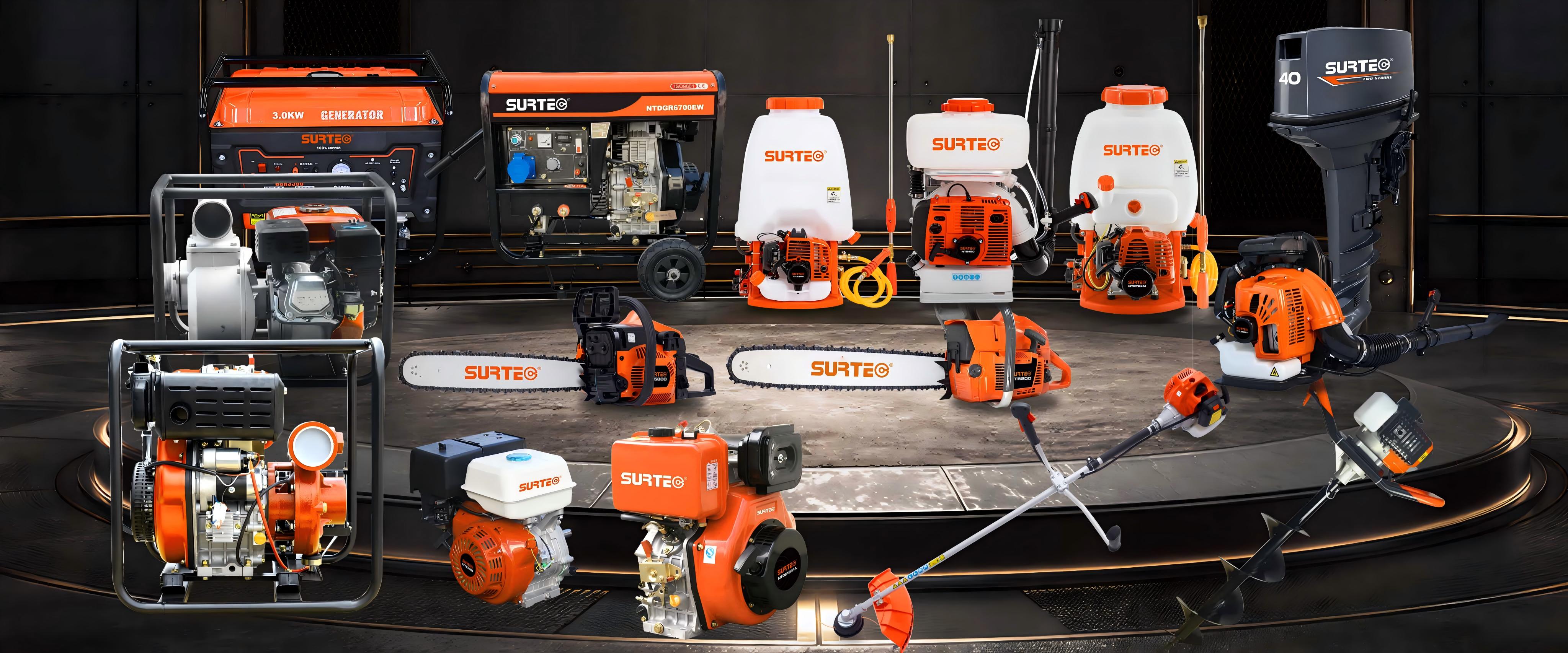
generator engine
A generator engine is the power unit that converts fuel into mechanical energy, which an alternator then turns into usable electricity. The generator engine forms the core of a complete backup or prime power system, so its size, design, and control features directly affect output, reliability, and running cost. A modern generator engine may use diesel, natural gas, gasoline, or another approved fuel, depending on the required load and operating environment. The generator engine works through a controlled cycle of combustion, cooling, lubrication, and exhaust management. Sensors and an electronic control unit monitor speed, temperature, oil pressure, and fuel use to support stable performance. Automatic start and shutdown functions can respond to a power failure, while protective systems can stop the unit when they detect unsafe conditions. Depending on the model, a generator engine can support standby service, continuous operation, or temporary power needs. It may drive a small portable set for tools and events or a large industrial package for buildings, factories, farms, data centers, and construction sites. Buyers can choose a generator engine with different cylinder layouts, power ratings, speed ranges, enclosure options, and emissions controls. The right generator engine should match the expected electrical load, working hours, fuel availability, noise limits, and maintenance plan. Manufacturers also provide radiator systems, remote monitoring, load management, and weather protection to improve usability. In practical terms, the generator engine delivers dependable energy when grid power is unavailable or when a site requires an independent supply. Its performance influences fuel economy, service intervals, starting reliability, and the total value of the generator system.
 EN