Gas Engine Generator: Efficient Power Solutions

Prev Next

gas engine generator

A gas engine generator converts the energy in natural gas, biogas, or other approved gaseous fuels into electrical power. Unlike a diesel unit, a gas engine generator burns a cleaner fuel that can support lower emissions and quieter operation. The gas engine generator combines an internal combustion engine, alternator, control panel, cooling system, exhaust equipment, and protective devices in one power package. For sites with a steady gas supply, the gas engine generator can provide dependable standby or continuous electricity. Most gas engine generator models include automatic start functions, voltage regulation, overload protection, and monitoring for temperature, oil pressure, speed, and output. A modern gas engine generator may also connect to remote monitoring platforms, allowing users to check performance and receive service alerts without visiting the equipment. Buyers can select a gas engine generator in a compact package for commercial buildings or a larger configuration for factories, farms, hospitals, data centers, and utility support. The gas engine generator can operate alone, in parallel with other units, or alongside renewable sources and battery storage. With correct sizing, a gas engine generator supplies stable power while matching the site's electrical demand. Overall, a gas engine generator offers a practical way to protect essential equipment, maintain production, and reduce dependence on an unstable grid. Its value depends on fuel availability, load profile, local emissions rules, installation space, and the required running schedule. Comparing rated power, fuel use, service access, controls, and warranty terms helps customers choose the right solution.

Popular Products

A gas engine generator gives buyers a dependable power source when the utility supply fails or cannot meet demand. A gas engine generator can start automatically during an outage, helping keep lighting, refrigeration, pumps, security systems, and production equipment running. This reduces lost sales, product damage, uncomfortable downtime, and recovery delays. For businesses that already have a natural gas connection, a gas engine generator can offer predictable fuel access without requiring frequent diesel deliveries or large liquid fuel tanks. The gas engine generator may also reduce on site storage needs, fuel handling work, and spill concerns. Compared with many conventional alternatives, a gas engine generator often produces lower local emissions and less noticeable noise, which suits urban facilities, schools, hotels, and healthcare sites. The gas engine generator can serve as standby equipment, prime power, or a combined heat and power source when the recovered heat has a useful purpose. That flexibility helps customers match the purchase to their operating plan rather than pay for capacity they do not need. A gas engine generator also supports scalable growth. Users can add units in parallel as demand increases, while service teams can maintain one unit without shutting down every power source. Modern controls make the gas engine generator easier to operate by showing load, fuel use, alarms, and maintenance status in one interface. Before buying, customers should confirm gas pressure, local permits, noise limits, site ventilation, expected load, and service availability. Proper sizing matters because an oversized unit can waste fuel, while an undersized unit may trip under heavy demand. The best gas engine generator balances purchase cost, running cost, reliability, environmental goals, and future expansion.

Latest News

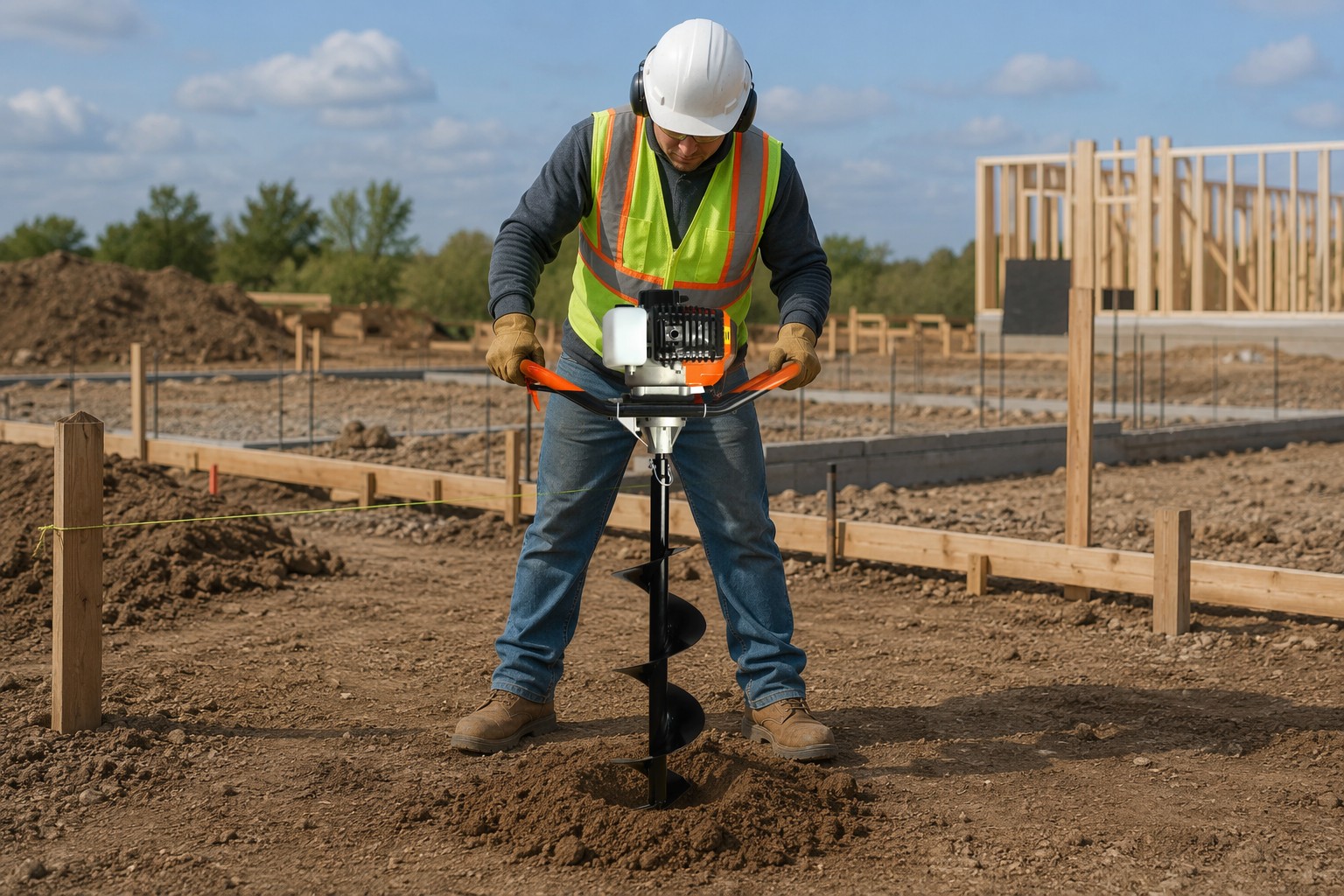
How to Choose an Earth Auger for Your Project?

01

Sep

How to Choose an Earth Auger for Your Project?

Selecting the right earth auger for your project is one of the most critical decisions you'll make before breaking ground. Earth augers are versatile drilling tools designed to bore holes into soil for fence posts, tree planting, foundation work, and...
View More
What Size Auger Bit Do You Need for Fencing?

08

Sep

What Size Auger Bit Do You Need for Fencing?

Selecting the right Earth Augers for your fencing project is one of the most critical decisions you'll make before breaking ground. Many contractors and homeowners underestimate how much the auger bit size impacts both the efficiency of installation ...
View More
What Maintenance Do Outdoor Power Equipment Need?

15

Sep

What Maintenance Do Outdoor Power Equipment Need?

Outdoor power equipment forms the backbone of landscape management, construction, and property maintenance operations across residential and commercial sectors. Proper maintenance of outdoor power equipment directly impacts operational efficiency, sa...
View More
How to Store Outdoor Power Equipment in Winter?

29

Sep

How to Store Outdoor Power Equipment in Winter?

Winter poses significant challenges for anyone who owns outdoor power equipment, and improper storage can lead to costly damage, reduced performance, and shortened equipment lifespan. Whether you operate landscaping businesses, maintain residential p...
View More

Get A Quote

Trusted by 100+ Distributors, SURTEC Power Your Market Growth with Profitable Solutions
Name
Email
Telephone
Company
Message
0/1000

gas engine generator

Reliable Power with Flexible Fuel Options

Reliable Power with Flexible Fuel Options

A gas engine generator gives facilities a practical alternative to grid only operation. A gas engine generator can use pipeline natural gas for regular standby service, while compatible models may accept biogas from farms, wastewater plants, or landfills. This fuel flexibility helps customers use resources already available at the site. The gas engine generator also supports long operating periods when the fuel network remains active, reducing dependence on scheduled liquid fuel deliveries. The gas engine generator can protect critical loads during storms, grid interruptions, and planned maintenance. Owners can configure a gas engine generator for standby duty, continuous production, or parallel operation with other sets. A properly maintained gas engine generator delivers consistent voltage and frequency for sensitive electronics, motors, pumps, and control systems. Choosing a gas engine generator with the right fuel train, output rating, and safety equipment can improve operating confidence while keeping the power plan adaptable.
Lower Running Impact and Useful Efficiency

Lower Running Impact and Useful Efficiency

A gas engine generator can help reduce the practical burden of power production for many commercial users. A gas engine generator normally burns gaseous fuel with fewer visible particulates than a comparable diesel system, supporting cleaner operation in populated areas. The gas engine generator can also create less vibration and sound when installed with suitable enclosures and exhaust equipment. For facilities with steady heat demand, a gas engine generator may feed a combined heat and power system that recovers engine heat for hot water, space heating, or industrial processes. This makes the gas engine generator more productive because one fuel source supports both electricity and useful thermal energy. A gas engine generator with modern controls can adjust output to changing demand, helping avoid unnecessary fuel use during lighter periods. Operators can track a gas engine generator through a local panel or remote platform, reviewing trends before a small issue becomes a costly shutdown. In the right application, a gas engine generator supports efficiency, comfort, and responsible resource use.
Smart Controls and Easier Maintenance

Smart Controls and Easier Maintenance

A gas engine generator becomes more valuable when operators can understand its condition quickly. A gas engine generator with an automatic controller can detect a power failure, start without manual action, and transfer selected loads safely. The gas engine generator can display voltage, frequency, engine speed, oil pressure, coolant temperature, run hours, and warning codes in a clear interface. Remote access lets a gas engine generator send alerts to maintenance staff, which can shorten response time and support planned servicing. The gas engine generator may also record operating history, helping teams identify unusual fuel use, repeated overloads, or developing mechanical problems. A gas engine generator designed with accessible filters, spark components, belts, and inspection points can reduce routine service time. Selecting a gas engine generator from a supplier with parts support and trained technicians adds further protection for the investment. These features make a gas engine generator easier to manage for buildings, farms, workshops, and industrial sites with limited technical staff.