High Power Engines for Demanding Work

Prev Next

high power engines

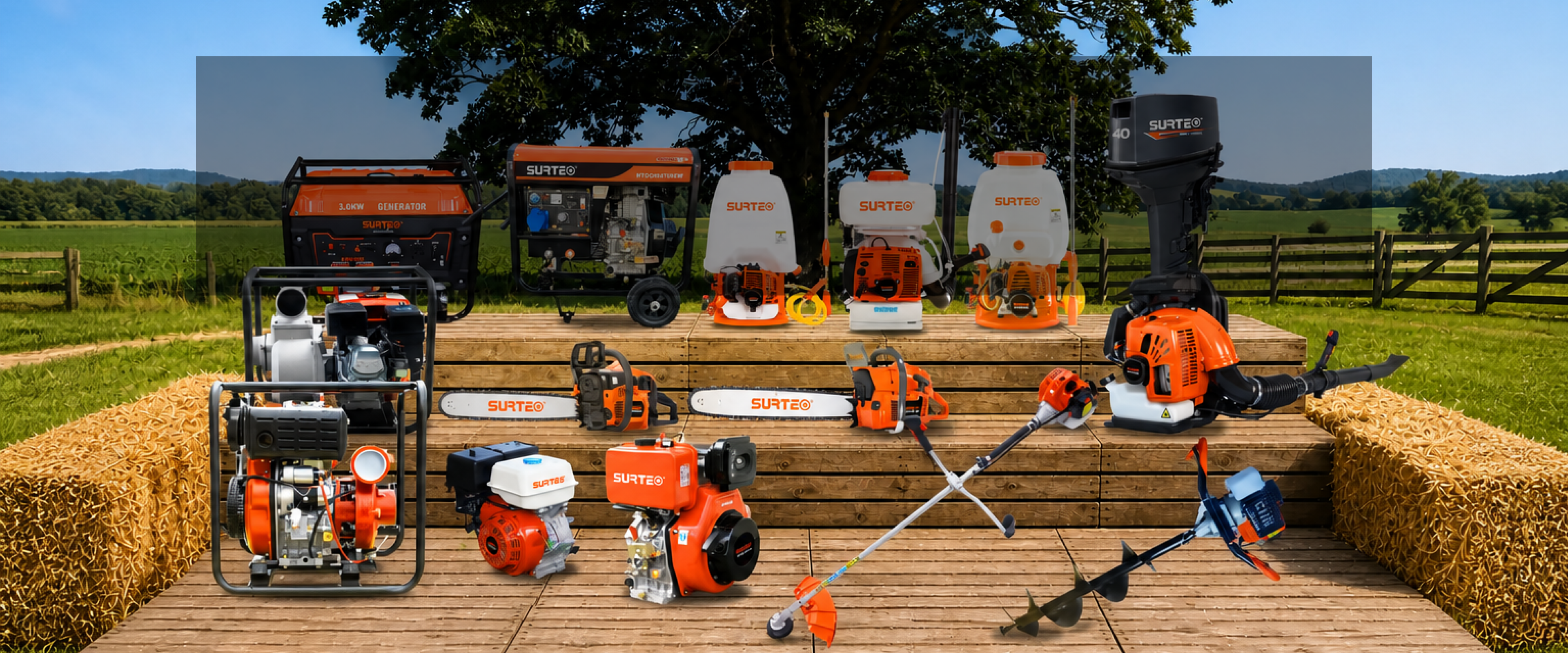
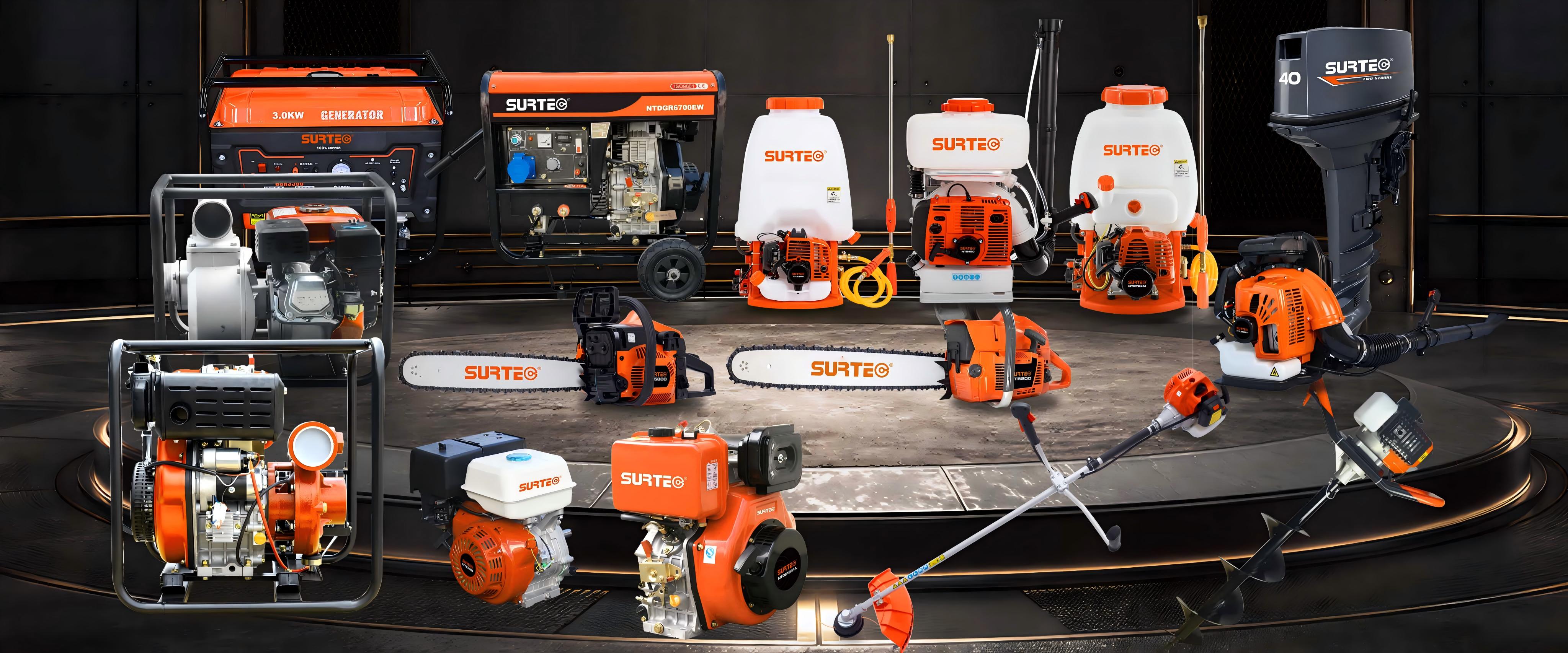
High power engines are built to deliver strong, dependable output when ordinary motors cannot meet the workload. These high power engines convert fuel or stored electrical energy into mechanical force for moving equipment, driving pumps, turning generators, and supporting continuous production. Modern high power engines combine reinforced components, precise fuel control, effective cooling, and electronic monitoring to provide reliable service under demanding conditions. Many high power engines use turbocharging to push more air into the combustion chamber, helping the engine create greater force without a large increase in size. Advanced control units adjust fuel delivery and operating speed to improve response, reduce waste, and protect key parts. High power engines can also include exhaust treatment systems that lower harmful emissions and help equipment meet current environmental requirements. For buyers, high power engines offer flexible installation choices, including diesel, gas, hybrid, and electric-assisted designs. Well-designed high power engines maintain stable performance across changing loads, from brief peaks to long operating shifts. Depending on the model, features may include remote diagnostics, automatic shutdown protection, variable-speed control, heavy-duty filtration, and easy access to service points. High power engines also support different output ranges, allowing customers to match capacity with the job instead of paying for unnecessary size. In transport, construction, agriculture, mining, marine work, and backup power, high power engines provide the force needed to keep essential equipment moving. Overall, high power engines are practical power solutions for organizations that value uptime, strength, controllable operating costs, and long service life.

New Product Recommendations

High power engines give buyers a dependable way to handle large workloads without relying on several smaller units. When one machine supplies the required output, operators can simplify installation, reduce floor space, and limit the number of components that need attention. These high power engines deliver strong starting force and steady torque, so loaders, pumps, compressors, generators, and industrial drives can respond quickly under pressure. That capability helps users finish demanding tasks faster and avoid slowdowns caused by overload. Fuel control and variable-speed systems allow high power engines to match output with real demand. As a result, a unit can use less fuel during lighter work while still providing extra force during peak activity. This balance can lower daily running costs and make energy planning more predictable. High power engines also support longer work cycles because robust blocks, cooling systems, and filtration protect the engine in dusty, hot, wet, or vibrating environments. For fleet owners, shared parts, familiar controls, and diagnostic alerts can shorten service visits and reduce training time. The right high power engines suit construction sites, farms, mines, factories, vessels, emergency facilities, and remote locations where reliable power matters. Buyers should compare rated output, peak output, fuel type, duty cycle, emissions compliance, noise level, dimensions, and local service support before choosing a model. High power engines may cost more at purchase, but their capacity can replace multiple machines and support higher productivity. They also provide valuable backup when grid power fails or a project operates far from a stable energy source. In practical terms, high power engines help customers protect schedules, improve equipment utilization, and make a purchase that fits both present needs and future expansion.

Practical Tips

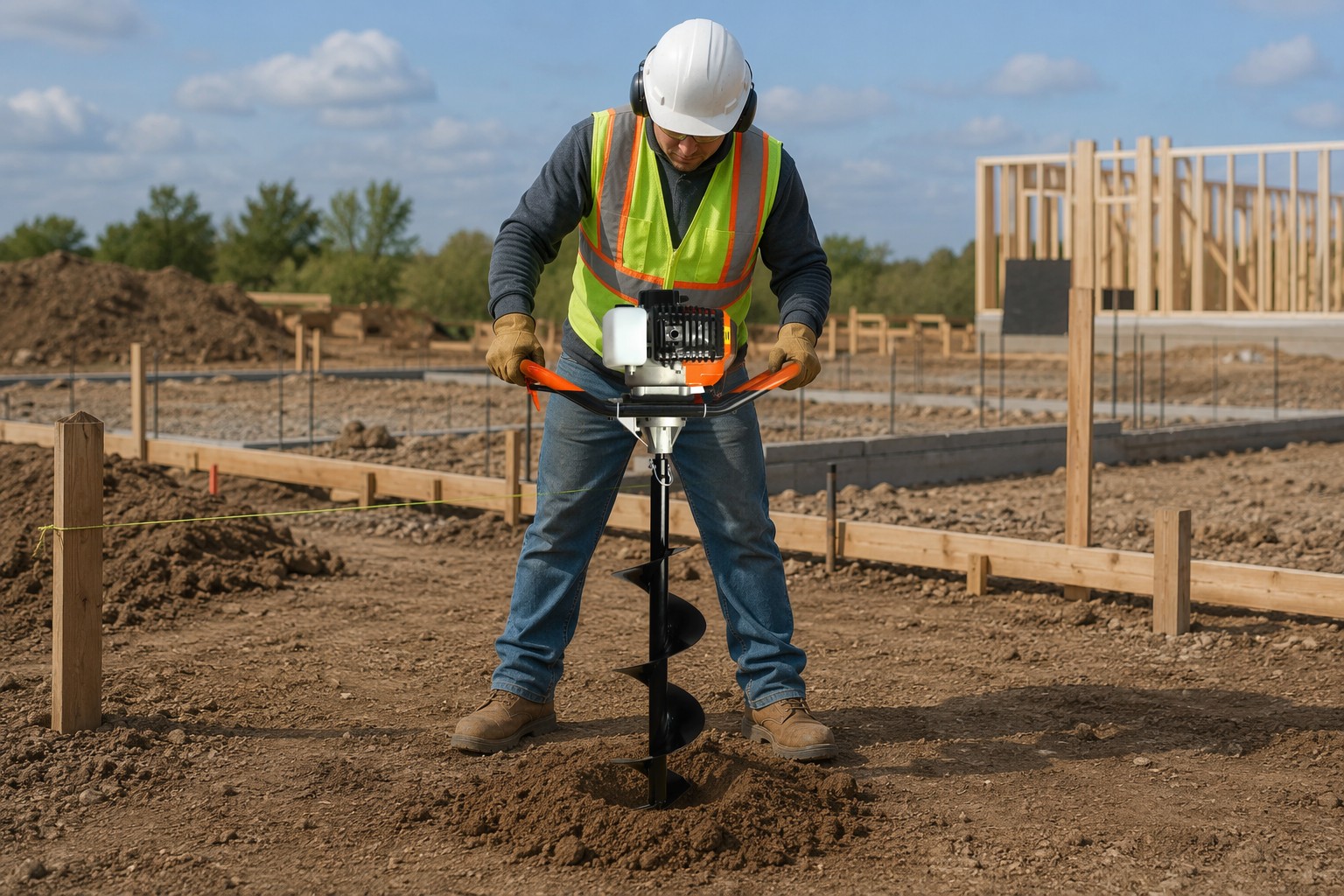
What Size Auger Bit Do You Need for Fencing?

08

Sep

What Size Auger Bit Do You Need for Fencing?

Selecting the right Earth Augers for your fencing project is one of the most critical decisions you'll make before breaking ground. Many contractors and homeowners underestimate how much the auger bit size impacts both the efficiency of installation ...
View More
What Maintenance Do Outdoor Power Equipment Need?

15

Sep

What Maintenance Do Outdoor Power Equipment Need?

Outdoor power equipment forms the backbone of landscape management, construction, and property maintenance operations across residential and commercial sectors. Proper maintenance of outdoor power equipment directly impacts operational efficiency, sa...
View More
Why Is Safety Important for Outdoor Power Equipment?

22

Sep

Why Is Safety Important for Outdoor Power Equipment?

Safety is a non-negotiable cornerstone of responsible outdoor power equipment operation. Whether you're managing landscaping crews, maintaining grounds across large properties, or handling routine maintenance tasks, the risks associated with outdoor ...
View More
How to Store Outdoor Power Equipment in Winter?

29

Sep

How to Store Outdoor Power Equipment in Winter?

Winter poses significant challenges for anyone who owns outdoor power equipment, and improper storage can lead to costly damage, reduced performance, and shortened equipment lifespan. Whether you operate landscaping businesses, maintain residential p...
View More

Get A Quote

Trusted by 100+ Distributors, SURTEC Power Your Market Growth with Profitable Solutions
Name
Email
Telephone
Company
Message
0/1000

high power engines

High Output with Controlled Fuel Use

High Output with Controlled Fuel Use

High power engines deliver the force needed for heavy work while modern controls help prevent unnecessary fuel consumption. A turbocharger, electronic injection, and load-sensing controls work together to provide air and fuel according to the task. During a demanding lift, haul, or start-up, the system can respond quickly with strong torque. When the workload drops, it can reduce speed or fuel flow instead of running at full capacity. This feature gives high power engines a useful balance between performance and operating economy. Customers benefit from longer working time between refueling stops, more predictable budgets, and better productivity from each unit of fuel. It also helps mobile equipment spend more time on the job and less time waiting for service trucks. For power generation, controlled output can keep voltage and frequency stable as electrical demand changes. Buyers should review fuel maps, rated load, and expected duty cycles because real savings depend on correct sizing and responsible operation. The result is practical power without paying for avoidable waste.
Durable Design for Difficult Conditions

Durable Design for Difficult Conditions

High power engines use reinforced blocks, strong bearings, protected wiring, and efficient cooling systems to withstand demanding surroundings. These construction choices matter on construction sites, farms, mines, marine vessels, and remote facilities where dust, heat, moisture, vibration, and long shifts can place constant stress on equipment. High power engines with heavy-duty filters keep damaging particles away from internal parts, while cooling systems help maintain safe temperatures during continuous operation. Protective sensors can warn operators about low oil pressure, high temperature, or unusual speed before a minor issue becomes major damage. This support gives customers more confidence and can reduce unexpected downtime. Service access also matters: clearly positioned filters, drain points, and inspection covers let technicians complete routine work more quickly. A durable unit does not remove the need for maintenance, but it can extend service intervals and protect performance over time. For buyers, the value is dependable availability, fewer interruptions, and a longer return on the original investment. Choosing a design matched to the environment is essential.
Smart Monitoring and Flexible Integration

Smart Monitoring and Flexible Integration

High power engines now offer digital monitoring that turns operating data into useful decisions. Sensors can track temperature, pressure, speed, fuel use, load, and service status, then display alerts through a local panel or remote connection. High power engines with remote diagnostics help fleet managers identify developing problems, schedule maintenance, and check performance without sending a technician to every location. This can reduce travel costs and make parts planning more efficient. Digital controls also support automatic starting, load sharing, variable speed, and safe shutdown, making the unit easier to connect with generators, pumps, compressors, conveyors, and vehicle systems. Flexible mounting, multiple fuel choices, and available hybrid support let customers adapt the engine to different projects as needs change. High power engines can therefore serve as the center of a larger power system rather than operating as isolated machines. Buyers should confirm communication protocols, software support, warranty terms, and technician training before purchase. These details determine how useful smart features will be in daily operations. Proper integration improves visibility, safety, uptime, and long-term control.