generator factory
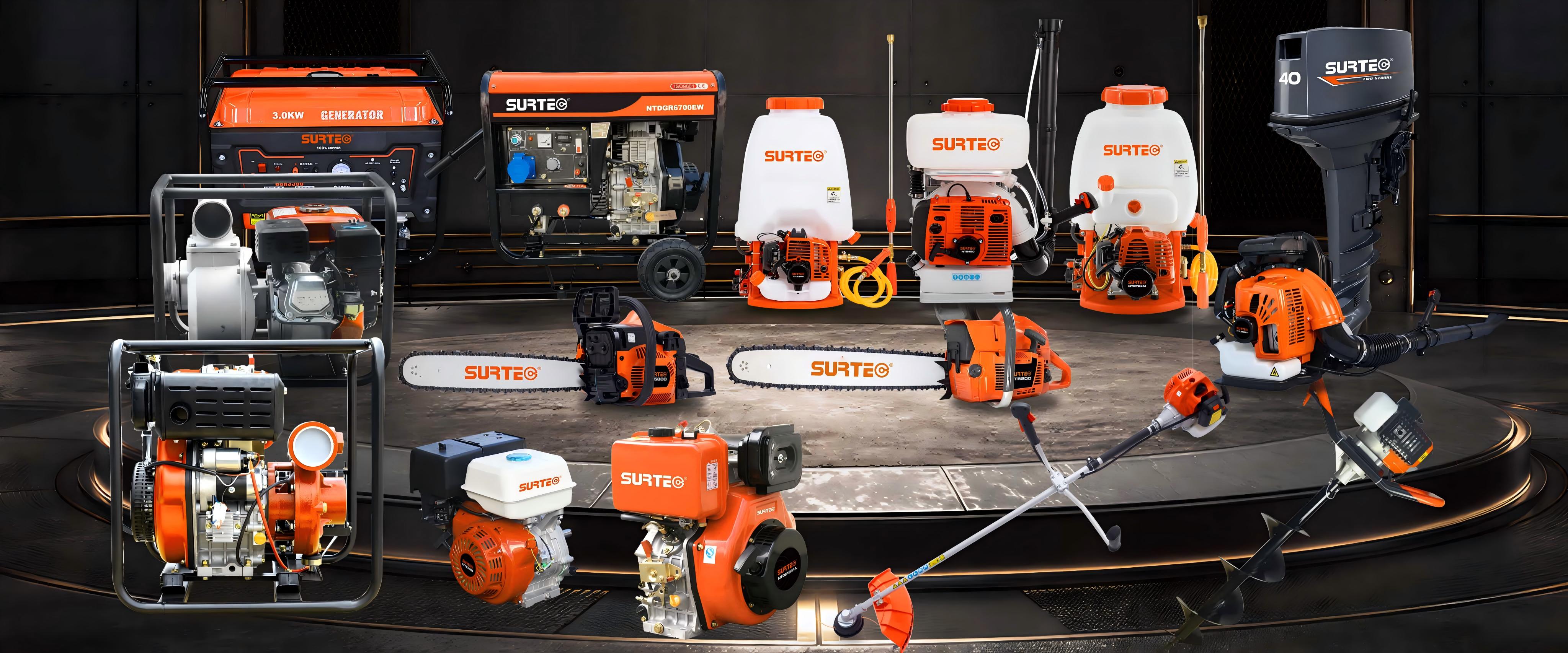
A generator factory designs, builds, tests, and supports equipment that produces electricity when the grid is unavailable, unstable, or too expensive to use. The generator factory typically supplies diesel, gas, gasoline, hybrid, and renewable-ready systems for homes, businesses, construction sites, farms, public services, and industrial plants. Its main function is to turn an engine's mechanical energy into dependable electrical power, then deliver that power safely through a control panel and distribution system. The generator factory also matches output capacity, fuel type, voltage, frequency, enclosure, and operating conditions to each customer project.
Inside the generator factory, engineering teams use computer-aided design, automatic wiring tools, precision machining, and controlled assembly processes. Digital controllers monitor load, temperature, oil pressure, fuel use, and fault conditions. Remote monitoring can send alerts and performance data to operators, while automatic transfer systems can start a standby unit when the main supply fails. Sound-reducing enclosures, weather protection, efficient cooling, and emissions-aware engines support reliable operation in demanding locations. The generator factory tests completed units under load before shipment, helping confirm starting performance, stability, safety, and service access.
A capable generator factory can provide standard products for quick delivery as well as custom packages for unusual sites. It may integrate fuel tanks, batteries, switchgear, trailers, paralleling controls, and containerized power rooms. The generator factory often provides installation guidance, spare parts, maintenance plans, operator training, and warranty support. This complete approach helps customers obtain one practical power solution instead of coordinating several unrelated suppliers. Choosing a generator factory with proven testing and engineering resources makes it easier to secure the right system for dependable backup or continuous electricity.
 EN