2 and 4 stroke engine
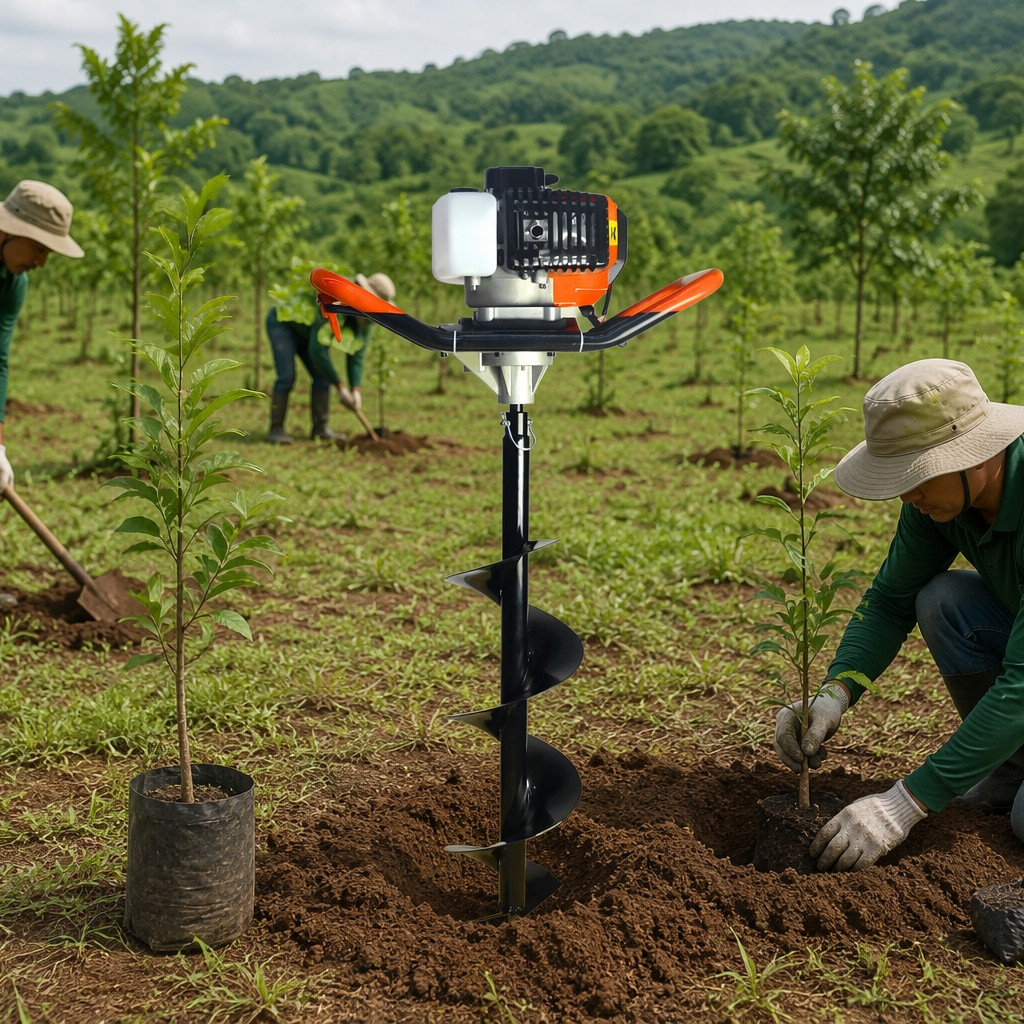
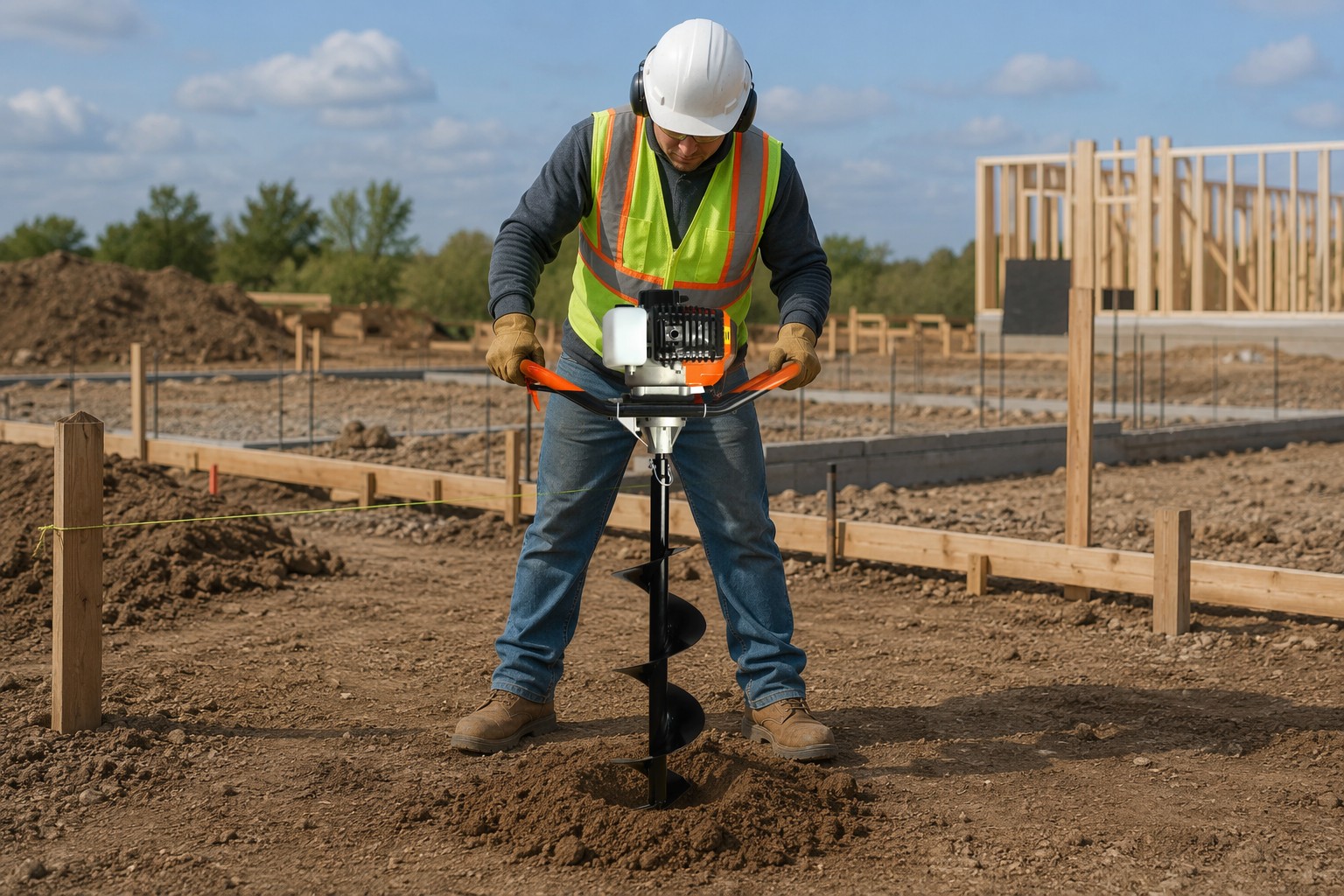
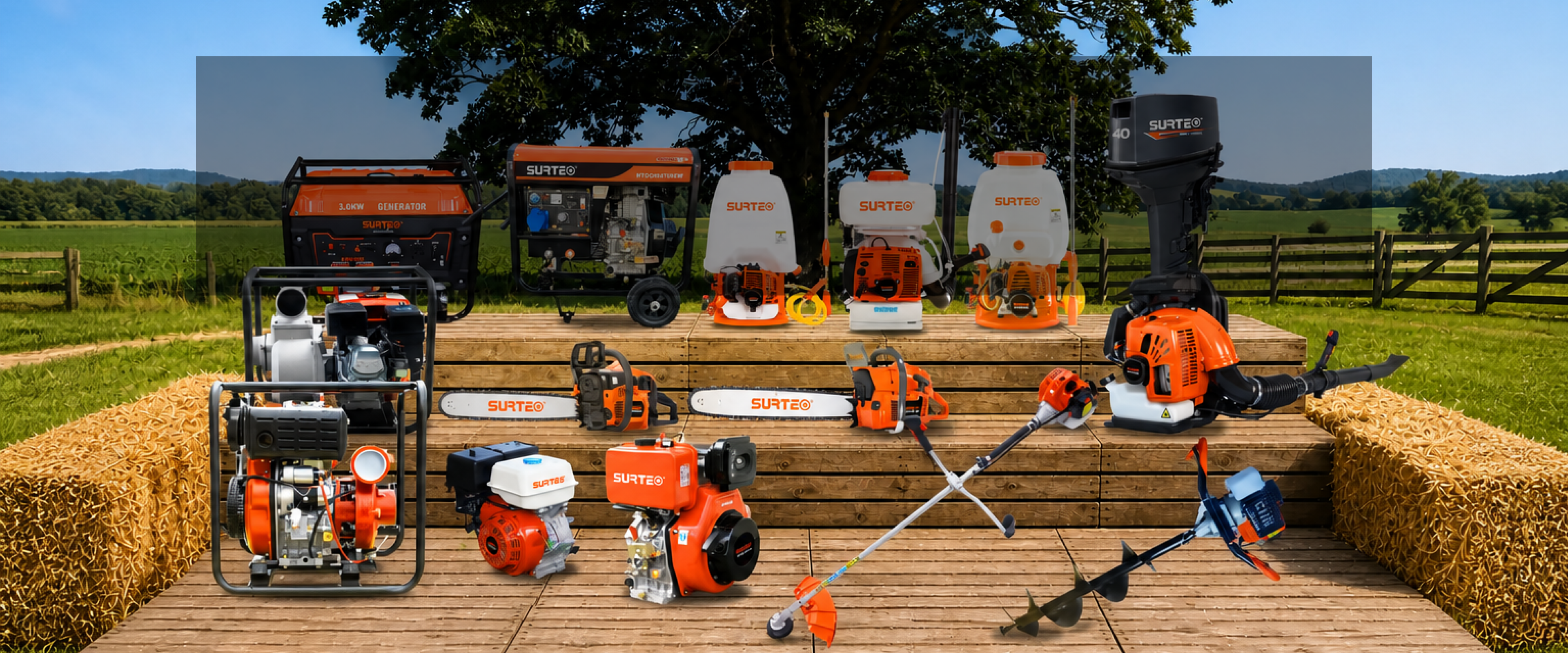
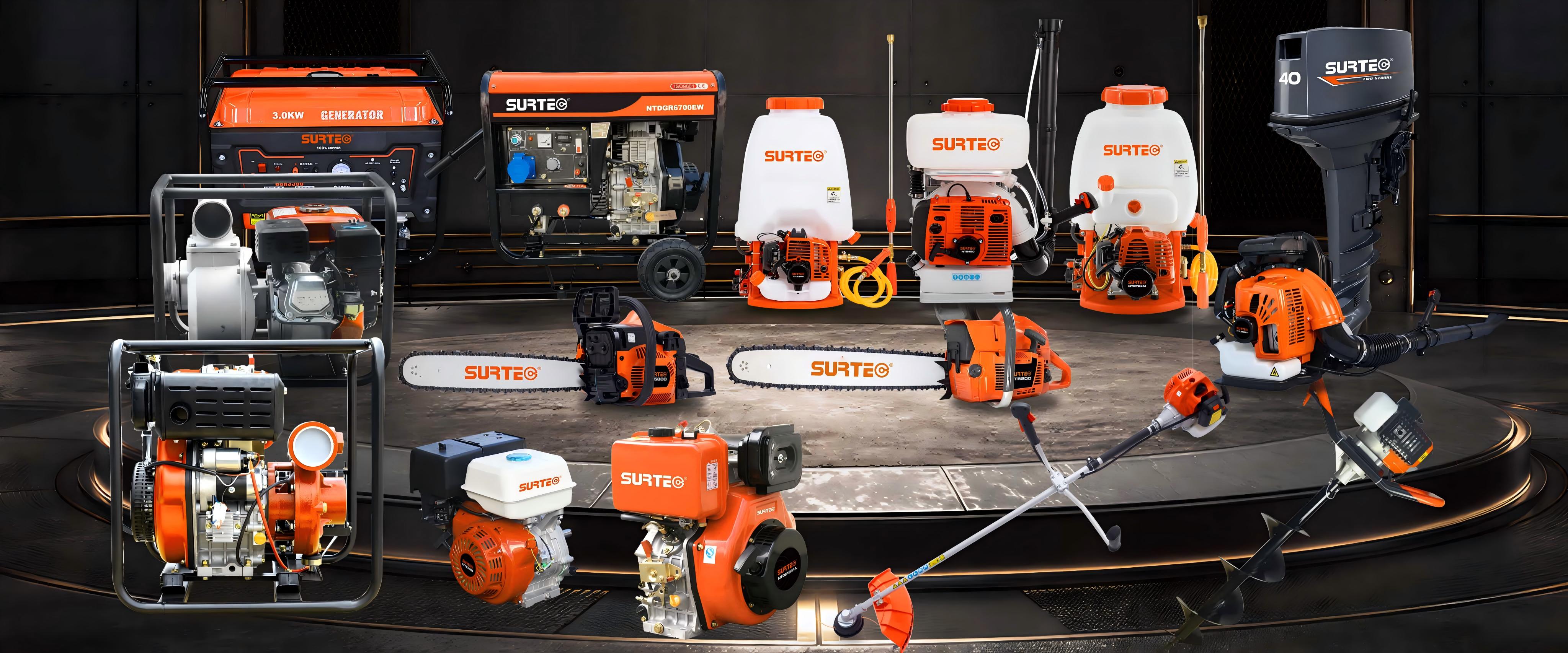
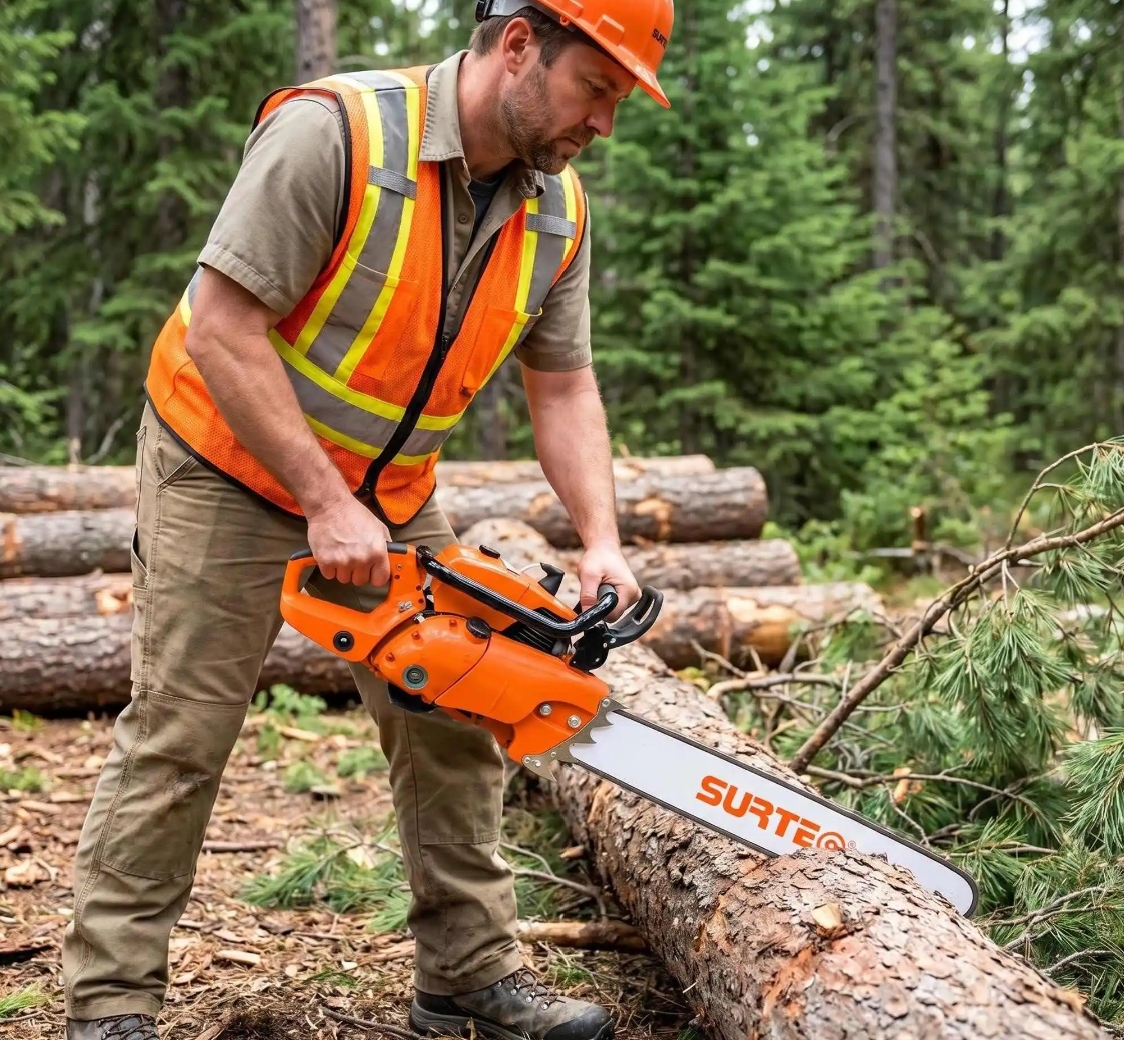
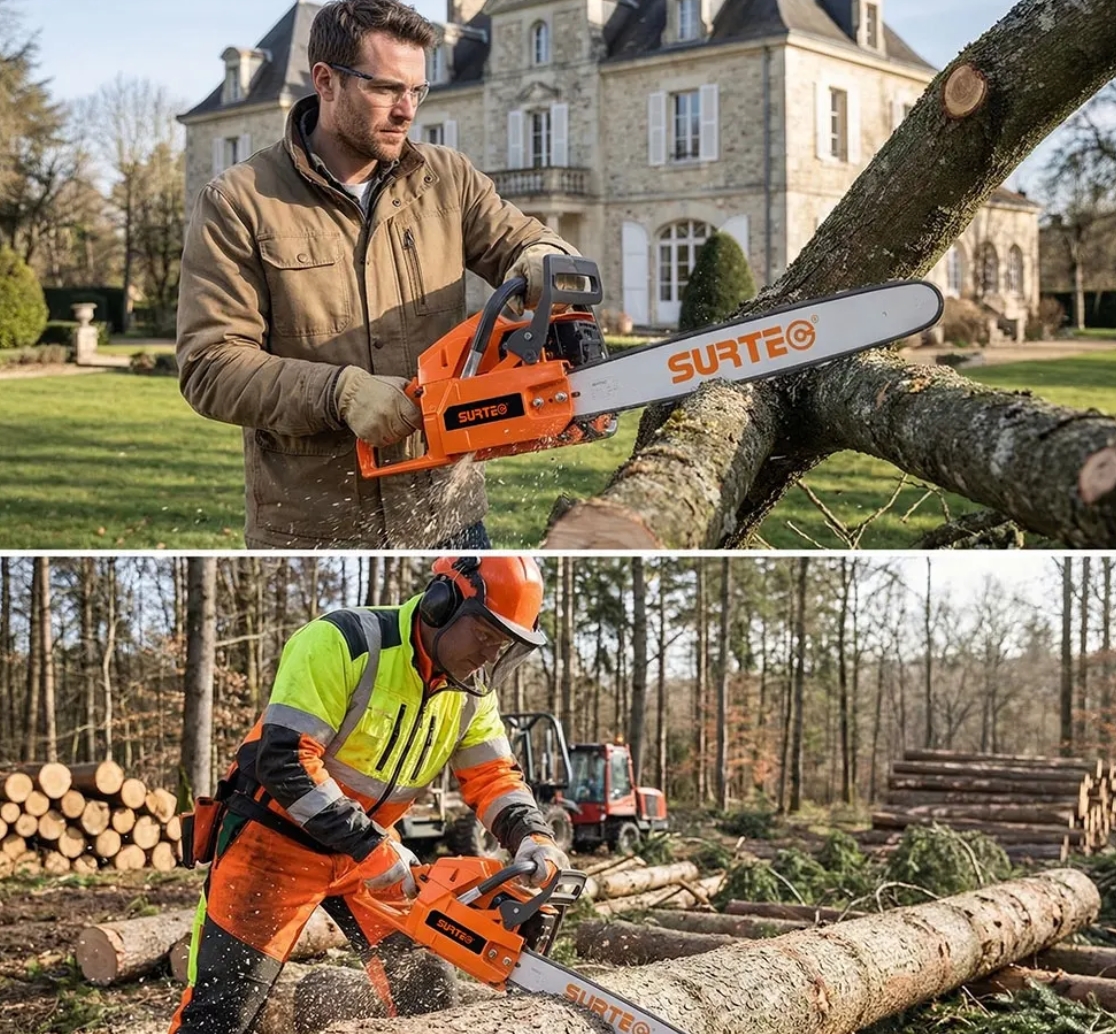
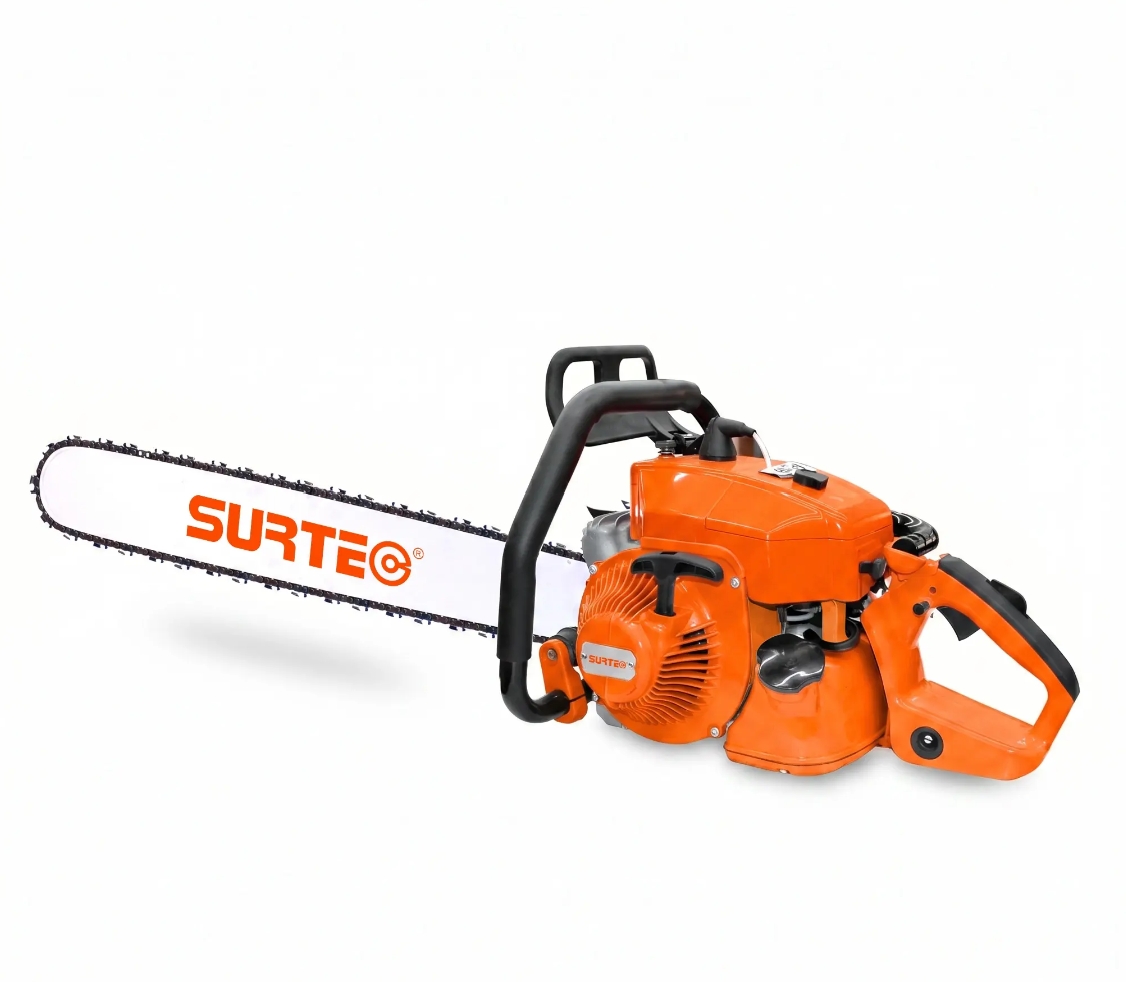
A 2 and 4 stroke engine describes two common engine designs that convert fuel energy into mechanical power. The 2 and 4 stroke engine category covers compact power units used in tools, vehicles, boats, pumps, and generators. A two-stroke design completes its power cycle in two piston movements, while a four-stroke design completes the same process in four movements. In a 2 and 4 stroke engine, the piston moves inside a cylinder, the crankshaft changes that movement into rotation, and the fuel system controls the air and fuel mixture. A 2 and 4 stroke engine can use a carburetor or electronic fuel injection, depending on its size, age, and intended application. For buyers, the 2 and 4 stroke engine choice affects power delivery, fuel use, weight, noise, emissions, and maintenance needs. A 2 and 4 stroke engine with two cycles usually offers a strong power-to-weight ratio and simple construction. Modern 2 and 4 stroke engine designs may include electronic ignition, improved cooling, better seals, catalytic systems, and automatic lubrication. Choosing a 2 and 4 stroke engine depends on whether the priority is light weight, fast acceleration, long operating life, or lower fuel consumption. The 2 and 4 stroke engine can support handheld equipment, motorcycles, marine propulsion, agricultural machines, and backup power. When a 2 and 4 stroke engine receives the correct fuel, oil, and servicing, it can deliver dependable performance. Overall, the 2 and 4 stroke engine remains a practical power solution because each design serves different operating conditions and customer budgets.
 EN